Filters in the bedroom environment serve to improve air quality, reduce dust, and support overall comfort by removing particulate matter from the air you breathe during rest. Understanding filter types—such as HEPA, activated carbon, and mechanical pleated variants—helps determine which option aligns with preferences for noise, energy use, and maintenance frequency while occupying minimal space near sleeping areas.
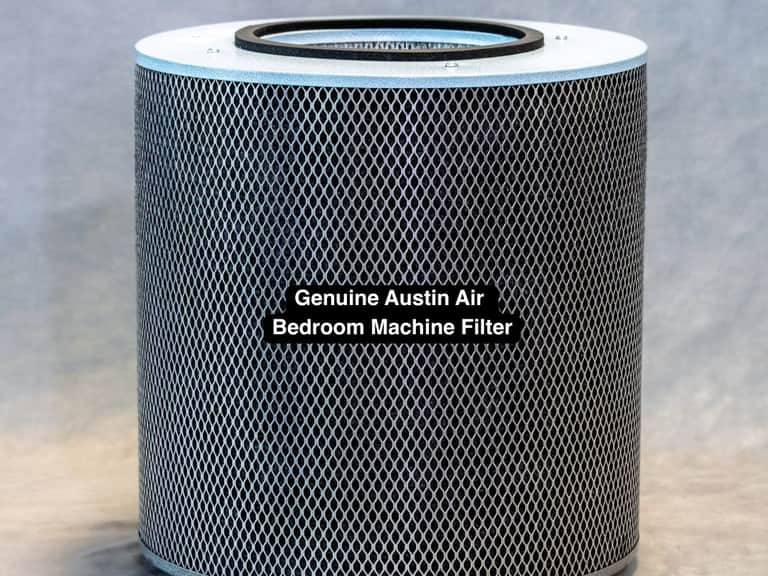
Bedroom machine filters are designed to integrate with room air handling devices, purifying indoor air without compromising airflow. Key features include high filtration efficiency, low-pressure drop, and compatibility with standard filter slots. Functional benefits encompass reduced allergen exposure, improved odor control, and a quieter, more consistent climate conducive to restorative sleep.
When evaluating filtration solutions for the sleeping environment, consider filter MERV ratings, filter dimensions, and replacement cadence. Higher MERV-rated filters capture finer particles but may require more frequent changes or stronger fans. Balancing efficiency with system compatibility ensures reliable performance while sustaining a comfortable sleep temperature and air quality.
In the context of bedding-related ecosystems, filters interact with pillows, sheets, and comforters by maintaining a cleaner microclimate around the sleeping zone. This relationship supports overall bedding hygiene, minimizes dust accumulation on fabrics, and complements the use of accessories like adjustable beds by maintaining stable airflow and minimizing particulate buildup.
Common bedroom filtration components include Bedroom Machine Filters, which combine robust particle capture with user-friendly maintenance. Features to note are filter media composition, ease of replacement, and the functional benefits of reduced household allergens, improved air freshness, and compatibility with standard bedroom air purifiers to sustain a healthy sleep environment.
 Air Purifiers