Bed covers serve as a functional and aesthetic layer for a balanced sleep environment, protecting mattresses and contributing to a consistent bedroom climate. Materials vary from breathable cotton to insulating blends, influencing moisture management, temperature regulation, and longevity. Understanding fabric weight, weave, and thread count helps match covers to seasonal needs and personal comfort preferences.
Key features to consider include fabric durability, ease of care, and allergen resistance. For example, cotton percale offers a crisp feel and good airflow, while microfiber blends may enhance softness and wrinkle resistance. Duvet covers and bedspreads can also influence bedding hierarchy by providing simple maintenance and reducing pilling over time.
In the realm of organic and natural options, organic mattresses and natural fiber bed covers emphasize chemical-free materials and sustainability. Look for certifications and fabric composition details to assess environmental impact, washability, and long-term performance. These factors contribute to a healthier sleep space and improved indoor air quality.
Common product features include antimicrobial finishes, moisture-wicking properties, and adjustable corner ties to prevent shifting during the night. Free samples or introductory fabric swatches can help evaluate texture and warmth before committing to a particular bedcover style, ensuring compatibility with existing sheets and pillows.
Understanding the broader bedding ecosystem—bedding, pillows, sheets, duvet covers, and organic mattresses—clarifies compatibility and care routines. Selecting appropriate bedcovers involves matching weave, weight, and finish with other textiles to achieve a cohesive, comfortable, and hygienic sleep environment aligned with personal preferences and needs.
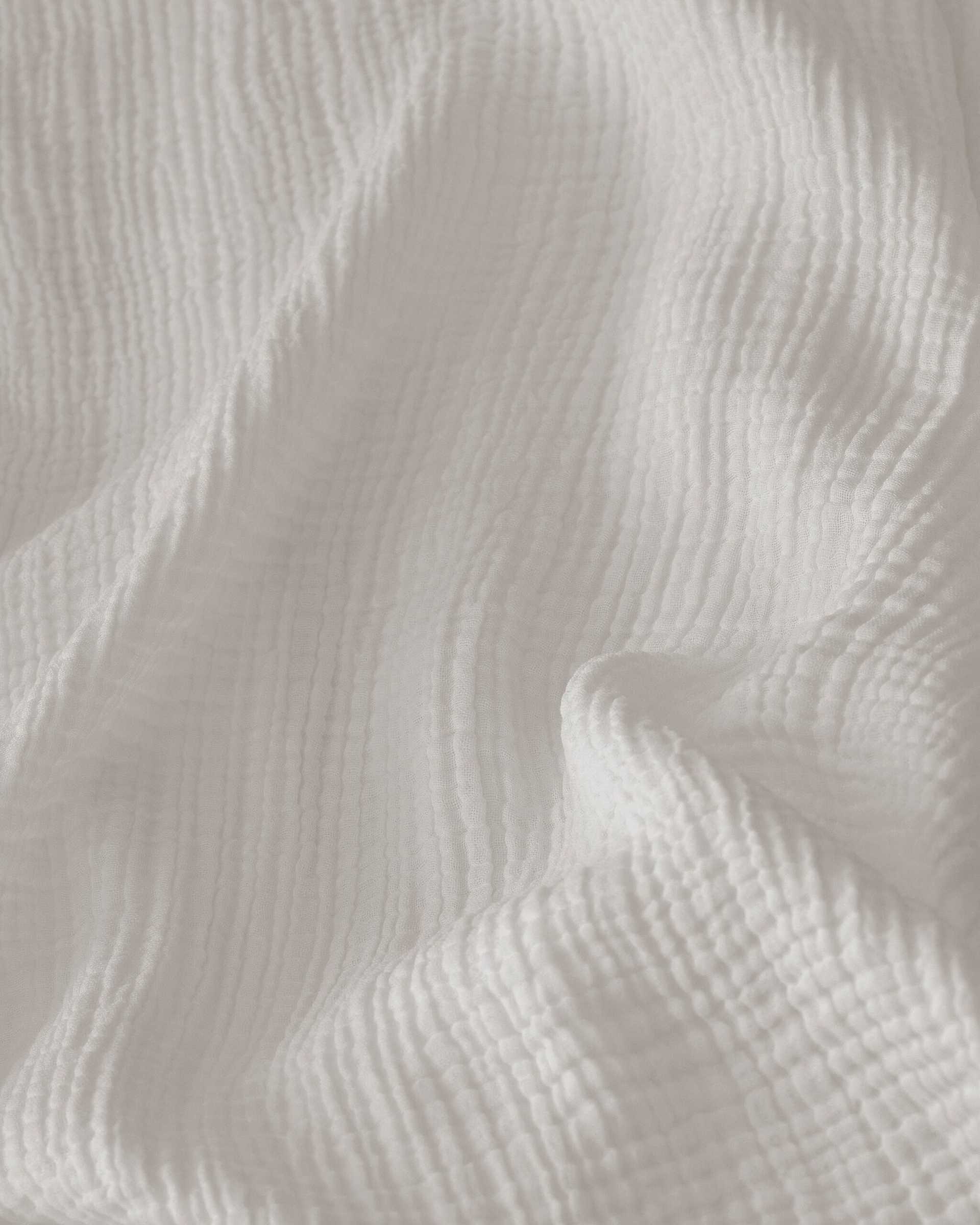 Bedding